Fallopian Tube Recanalization
Department: Gynecology
A minimally invasive procedure to open blocked fallopian tubes using a catheter, helping restore fertility in women.
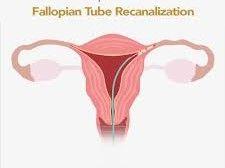
Detailed Overview
Fallopian Tube Recanalization (FTR) is a non-surgical procedure where a thin catheter is inserted through the cervix and uterus to reach the fallopian tubes. A contrast dye is used to identify the blockage, and then a small guide wire is used to open the tube. This procedure can restore fertility by allowing eggs to travel freely from the ovaries to the uterus.
Benefits
Non-surgical and minimally invasive Short recovery time Can restore natural fertility Performed under mild sedation or local anesthesia
Preparation
Performed just after menstruation, before ovulation Patient may be asked to avoid intercourse before the procedure No special fasting usually required, unless advised by doctor
Recovery
Most patients resume normal activities within 24 hours Mild cramping or spotting may occur
Duration
30–60 minutes
Anesthesia
Local anesthesia or mild sedation as needed
Indications
- Infertility due to proximal fallopian tube blockage
- Suspected tubal blockage on HSG (hysterosalpingography)
Risks
- Mild cramping or discomfort
- Infection (rare)
- Re-blockage of tubes over time
FAQs
Q: Is Fallopian Tube Recanalization painful?
A: Most women experience only mild cramping; anesthesia is used to minimize discomfort.
Q: What is the success rate?
A: Success in opening blocked tubes is around 70–90%, depending on the type and location of the blockage.
Q: How soon can I try to conceive after the procedure?
A: You can try to conceive as early as the next ovulation cycle, based on your doctor’s advice.